
European Games 2027 – How a Multi-Sport Format Can Boost Niche Betting
The 2027 European Games are already on the horizon, and the sports betting industry is preparing for an event that will offer far more than just Olympic core sports. For bookmakers and bettors alike, this multi-sport format opens up new opportunities that go well beyond traditional football and tennis betting.
What Makes the European Games Special?
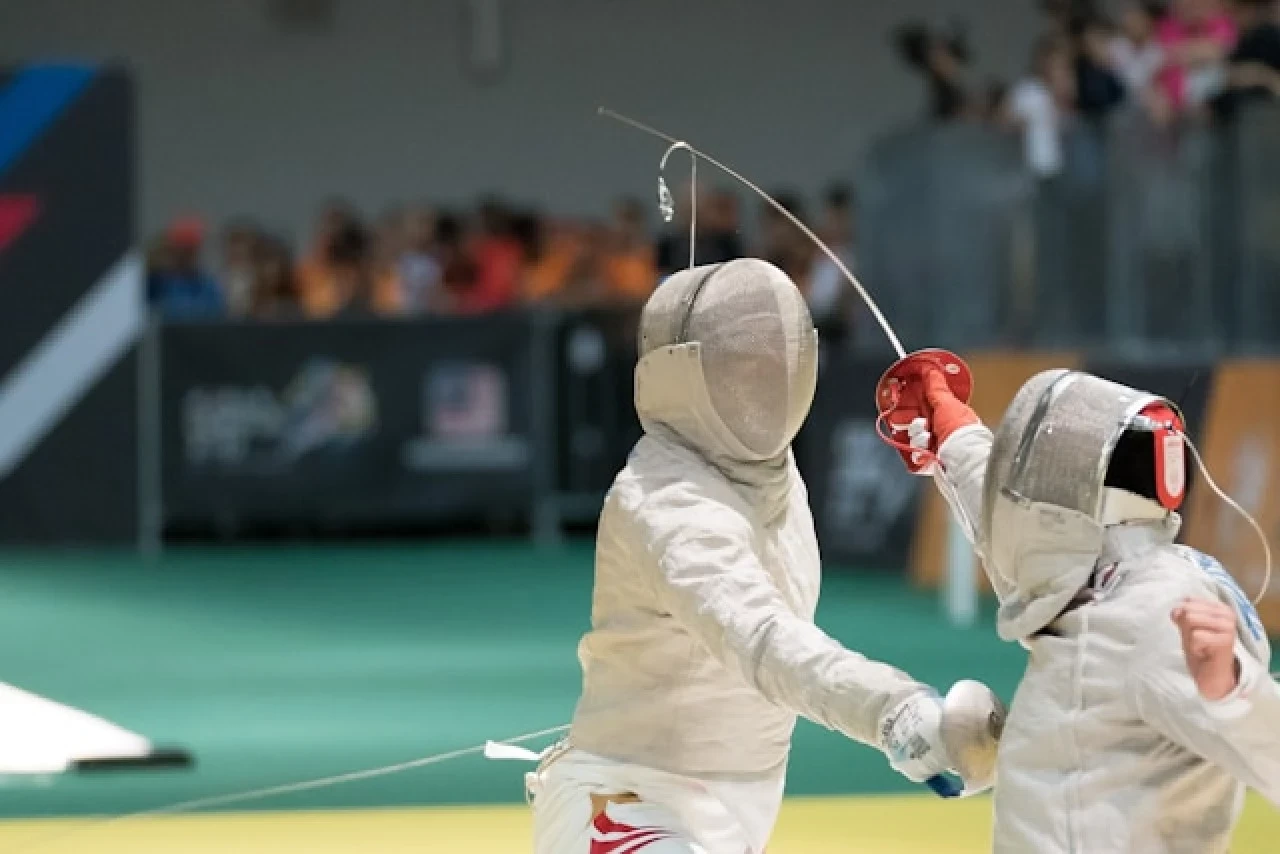
The European Games differ fundamentally from classic single-sport events. While tournaments like the UEFA Euro or Wimbledon focus on a single discipline, the European Games unite more than 20 different sports under one roof. The program ranges from gymnastics and cycling to archery and judo. This diversity gives bookmakers a much broader range of betting opportunities that clearly exceeds the standard offering.
Another factor is the tight schedule: within just over two weeks, competitions in numerous sports take place simultaneously. That means more events, more markets, and more betting options — all within a relatively short timeframe.
Niche Sports in the Spotlight
Many of the sports featured at the European Games usually live in the shadows of mainstream betting. Disciplines like artistic gymnastics, table tennis, or canoeing are often only sporadically covered by bookmakers. At a multi-sport event, this changes abruptly.
Bookmakers are compelled to create markets for sports that otherwise receive little attention. This is due both to increased media coverage and growing viewer interest. For example, someone watching synchronized swimming might want to place a bet on the outcome.
Things get particularly interesting with sports that involve technical complexity. In gymnastics, for instance, bettors can wager not only on the winner but also on difficulty scores, execution ratings, or specific elements in routines. Such specialized bets attract an experienced audience that follows the sport closely.
Betting platforms are responding by expanding their portfolios accordingly. Sites like cazinouri.de are closely observing these trends, as large-scale events like this traditionally push the boundaries of what’s possible in the sports betting sector.
New Betting Formats for Experienced Punters
The European Games give bookmakers a chance to develop creative betting formats. While major football tournaments are dominated by standard markets like match winner or over/under goals, multi-sport events invite experimentation.
Combination bets spanning different sports are becoming more popular. For instance, a bettor could combine medal winners in gymnastics, swimming, and cycling within a single wager. Special bets are also gaining traction, such as:
Which country will win the most medals in a particular sport?
How many world records will be set during the Games?
Which sport will attract the most TV viewers?
These betting options appeal to a different audience than mainstream sports bets. They require not only sports knowledge but also an understanding of statistics, trends, and athlete performance dynamics.

The Role of Live Betting
Live betting plays a central role at multi-sport events like the European Games. Unlike football matches that last 90 minutes, here new competitions across various disciplines occur constantly. Within a few hours, a bettor can place live wagers on judo, rowing, and badminton.
The dynamic nature of these events requires bookmakers to adjust odds quickly. Especially in lesser-known sports where historical data is limited, oddsmakers must react flexibly. This creates opportunities for informed bettors who specialize in niche sports.
Challenges for Bookmakers
Despite the opportunities, the European Games also bring challenges. The sheer number of sports means high effort in setting up and maintaining betting markets. Not every bookmaker has experts for all 20+ disciplines, increasing the risk of misjudged odds.
In addition, data availability is limited for some sports. While football and tennis boast comprehensive statistics, fringe sports often lack reliable data on athlete performance, form trends, or historical results. Bookmakers must work with uncertainty and set odds more cautiously.
Another issue is liquidity. Niche bets attract far lower betting volume than mainstream sports. For smaller operators, it may not be economically viable to offer detailed markets for every European Games discipline.
Long-Term Impact on the Betting Market
The 2027 European Games could leave a lasting impact on the sports betting industry. If bettors have positive experiences with niche markets during the event, they’re more likely to continue following and betting on these sports afterward. Bookmakers may thus be motivated to expand their permanent offerings.
At the same time, such a large-scale event serves as a testing ground for new betting formats and technologies. What works during the European Games could later be applied to other multi-sport competitions or smaller tournaments. The sports betting industry is evolving, and events like this are key catalysts driving that change.


