Dining and Living Storage: How to Choose the Right Sideboard for Each Room
A sideboard can solve storage, improve visual balance and support the way a room works every day, but only when it fits the space correctly. This guide explains how to choose the right sideboard for dining rooms and living rooms, with a focus on function, proportion and design coherence.
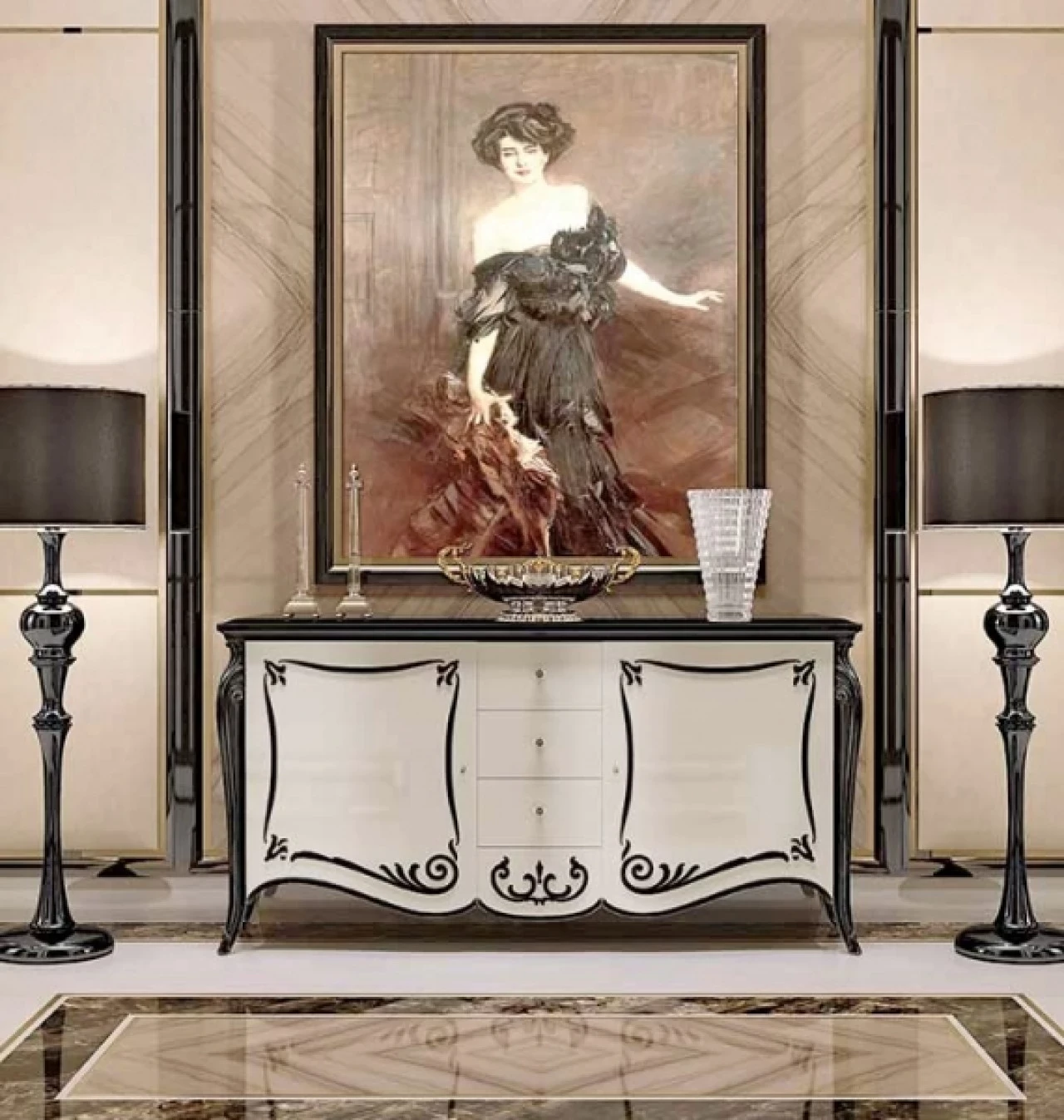
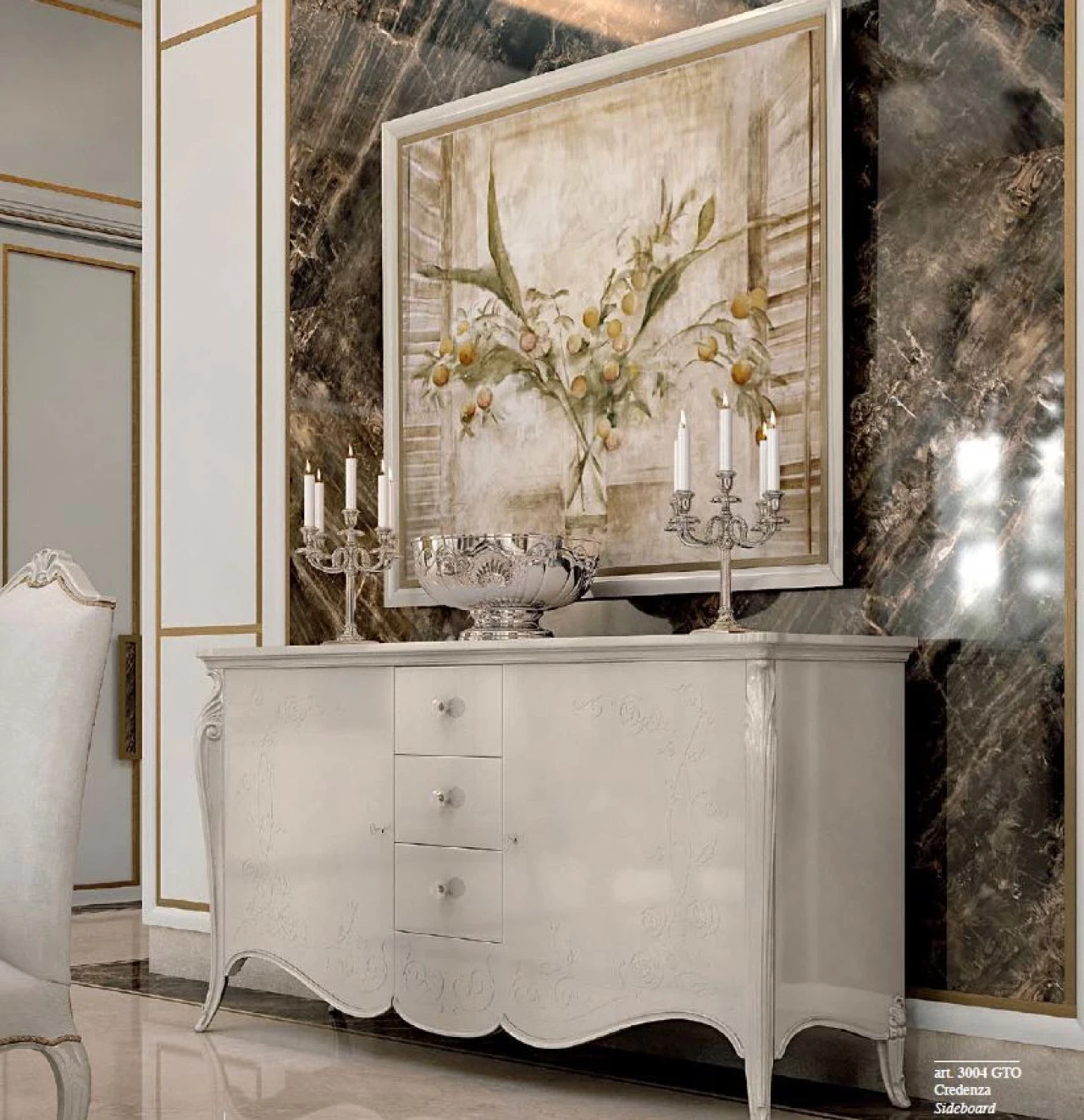
A sideboard is one of the most versatile storage pieces you can introduce into a home, but it works best when chosen with the room in mind. The same piece will not serve a dining room and a living room in exactly the same way. In one space, it may support serving, tableware and everyday dining function. In another, it may work as low storage, visual balance and a cleaner wall composition. That is why choosing the right sideboard starts with understanding how the room will use it.
Many buyers begin with style alone, yet function, proportion and placement are just as important. A sideboard that looks attractive in isolation can still feel too heavy, too shallow or simply wrong once placed in the room. The best choice is the one that works practically and visually at the same time.
Why sideboards work so well in different rooms
Sideboards remain relevant because they combine enclosed storage, a usable top surface and a horizontal profile that can stabilize a wall without making the room feel crowded. Unlike taller storage pieces, a sideboard usually keeps the interior more open and easier to style. That makes it useful in both dining rooms and living rooms, even though the purpose changes slightly from one space to the other.
In a dining room, the sideboard often supports the table area directly. In a living room, it can become a quieter storage layer that supports the wider layout. The piece may be similar in form, but the way it works in the room is different.
How to choose a sideboard for a dining room
Start with function
In a dining room, a sideboard usually needs to support tableware, serving accessories, glassware, linens or objects used during hosting. That means practical internal storage matters as much as exterior appearance. Before choosing a model, it helps to think about what the piece will actually hold and how often that storage will be used.
Consider the relationship with the dining table
The sideboard should feel naturally related to the table without competing with it. If the piece is too large, it can dominate the room. If it is too small, it may feel disconnected and less useful. A good dining room sideboard should support the composition of the room while remaining secondary to the table itself.
Keep enough circulation
Dining rooms need enough movement around the table, chairs and sideboard to remain comfortable in daily use. If the sideboard is too deep or placed too close to the dining area, the room can become harder to use. This is especially important in more compact interiors where storage needs are high but floor space is limited.
Use the top surface well
In a dining room, the top of the sideboard can be as useful as the interior. It can support serving, decorative lighting, flowers or temporary placement during meals. Because of that, the piece should have enough presence to feel useful without making the room look overloaded.
How to choose a sideboard for a living room
Focus on balance and visual weight
In a living room, the sideboard often works less as service storage and more as a balancing element. It may sit under art, support decorative objects or create a stronger horizontal line on a wall that would otherwise feel empty. In this context, visual weight matters a great deal. The piece should feel substantial enough to stabilize the room, but not so heavy that it interrupts the seating composition.
Think about what you need to hide
Living room storage usually supports a different set of needs. You may want a sideboard to hide small everyday items, media accessories, documents or objects that would otherwise create visual clutter. In these rooms, the internal layout should be practical, but the overall silhouette often matters even more than in a dining space.
Consider the surrounding furniture
A living room sideboard should relate naturally to the sofa, coffee table, lighting and the broader material palette of the room. It does not need to match every piece, but it should support the overall direction. If the room already contains expressive furniture, a cleaner and more restrained sideboard may work best. If the room feels visually light, a stronger piece can help anchor it.
Use scale carefully
A sideboard in the living room should reflect the size of the wall and the scale of the seating zone. Too small, and it will feel like an afterthought. Too large, and it can pull too much attention away from the main composition. The best results usually come from pieces that feel integrated into the room rather than added later.
Dining room vs living room: what changes most
| Room | Main purpose | What matters most | Selection priority |
|---|---|---|---|
| Dining room | Storage for dining use and hosting support | Capacity, top surface, circulation near the table | Function first, then style |
| Living room | Low storage and visual balance | Scale, silhouette, relation to seating and wall composition | Balance style and room fit |
How style direction changes the right choice
Not every room needs the same type of sideboard. A cleaner contemporary interior may benefit from a more restrained piece with simpler lines and a calmer finish. A richer dining room may need a sideboard with more visible presence and stronger material depth. The best selection is the one that fits the language of the room instead of trying to impose a different one.
This also explains why terms such as sideboard, credenza and buffet cabinet often overlap. In practical interior selection, buyers are not only choosing a label. They are choosing a role, a silhouette and a level of formality that fits the room more accurately.
Materials and finishes
Material choice changes how a sideboard feels in the room. Wood veneers can create warmth and depth. Lacquered finishes can make the piece feel cleaner and more architectural. Mixed materials can add a more premium and layered identity when used carefully. In both dining rooms and living rooms, the finish should work with the existing palette and help the storage piece feel integrated rather than isolated.
Texture also matters. A matte finish can make a larger sideboard feel softer and more relaxed. A more polished surface may create a sharper and more formal impression. The decision should always be tied to the room, not only to the product viewed on its own.
Common mistakes to avoid
Choosing only by appearance
A sideboard may look beautiful in a catalog and still fail in the room if it does not meet the storage needs or fit the available wall correctly.
Ignoring proportion
Too much depth, too much height or not enough width can all weaken the result. The piece should suit the room, not simply fill an empty wall.
Forgetting the room function
A dining room sideboard and a living room sideboard are not selected for the same reasons. The right choice depends on how the room will actually be used.
Choosing with more clarity
The right sideboard is rarely the one with the strongest first impression. It is the one that supports the room more intelligently over time. In a dining room, that means practical storage and a useful top surface. In a living room, it means balance, order and a more complete wall composition.
If you want to move from research into product selection, it helps to compare sideboards with the room function clearly in mind. A more precise decision usually leads to a better result, not only visually, but in the way the room works every day.
Frequently asked questions
Should a sideboard be different in a dining room and a living room?
Yes. In a dining room, the sideboard is usually chosen more for storage and serving support, while in a living room it is often selected for low storage and visual balance.
How do I know if a sideboard is too large for the room?
If it interrupts circulation, dominates the wall too heavily or feels disconnected from the rest of the furniture, the scale is probably too large for the space.
What matters more: storage capacity or design?
The best result comes from balancing both. The sideboard should solve real storage needs, but it should also fit the room visually and support the wider interior direction.
Can one sideboard style work in both rooms?
Yes. Many sideboards can work in either room, but the best choice depends on how the piece relates to the room function, wall size and surrounding furniture.