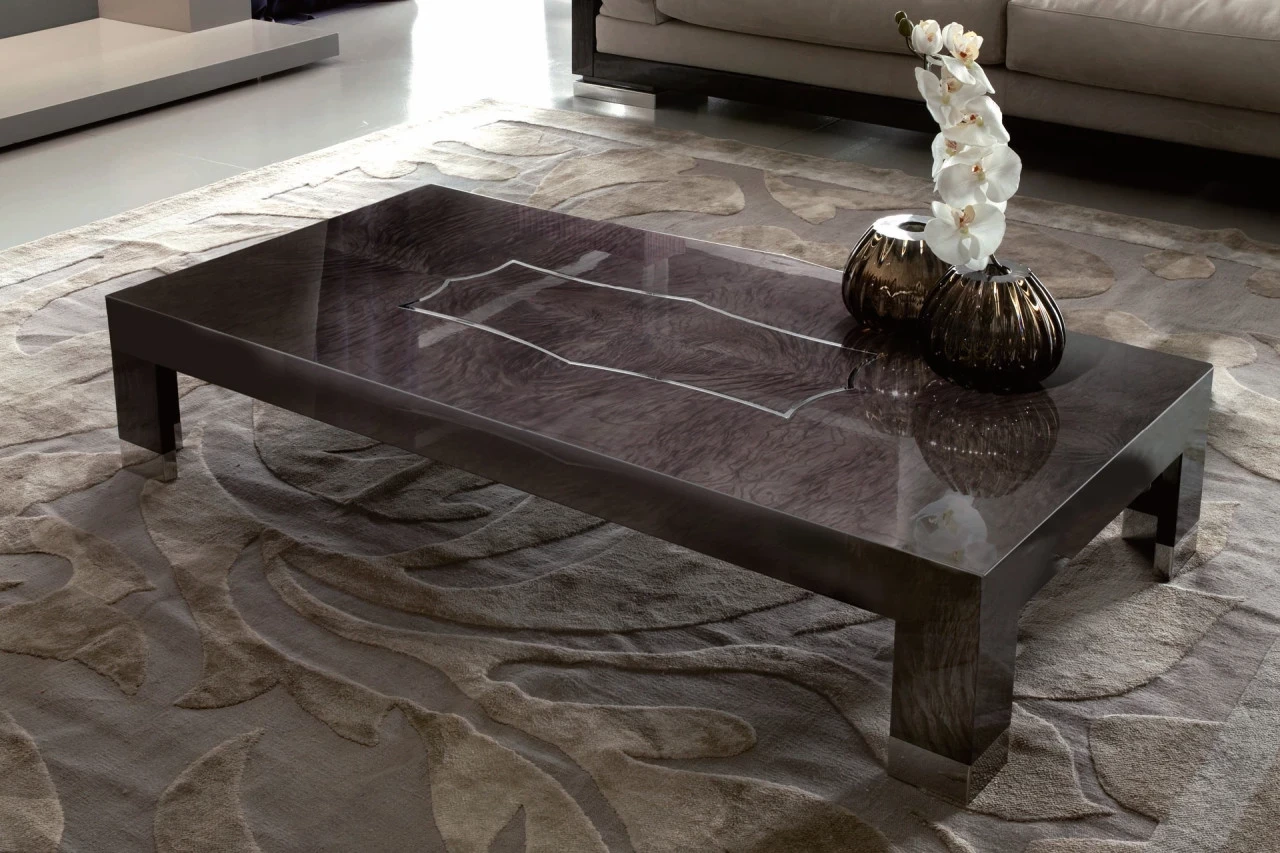
The Role of the Coffee Table in Living Room Planning
A coffee table does more than fill the space in front of a sofa. It helps define the living room, supports circulation and brings proportion, function and visual balance to the seating area.

A coffee table is often treated as a secondary piece in the living room, yet it plays a central role in how the space functions and how it feels. It connects the seating area, supports everyday use and helps the room look complete rather than unfinished. When it is chosen well, the coffee table improves both comfort and composition. When it is chosen poorly, even a well-designed sofa layout can feel less balanced.
This happens because the coffee table is not simply an accessory placed in front of the sofa. It affects movement, reach, visual rhythm and the perceived proportions of the entire seating area. In many interiors, it acts as the piece that ties the arrangement together. That is why living room planning should not leave the coffee table decision until the end. Its role is more structural than many people assume.
Why the coffee table matters in the overall layout
In a living room, the main seating zone needs a centre of gravity. Without it, the arrangement can feel too open, too loose or visually unresolved. The coffee table often provides that centre. It helps the sofa, chairs and surrounding pieces relate to one another as part of a coherent composition rather than as separate elements placed in the same room.
This is especially important in larger living spaces where furniture can easily drift apart visually. A correctly proportioned coffee table creates a sense of connection and gives the layout more clarity. In smaller rooms, it performs a different but equally important task. It helps define the seating area without requiring another large furniture piece, which is why the right choice can make a compact living room feel more organised and more complete.
It is not only about decoration
One of the most common misconceptions is that a coffee table is mainly decorative. In reality, it usually serves several practical functions at once. It gives people a surface within easy reach, supports daily routines and adds convenience to the seating area in a way that side tables alone often cannot. Even in more minimal interiors, that central surface usually has a clear role in how the room is used.
The visual contribution matters too, but design should not come at the expense of practicality. A coffee table can look elegant in isolation and still perform poorly if it is too large, too small, too low, too high or badly placed within the room. Good living room planning depends on the balance between function and proportion rather than on appearance alone.
The relationship between the coffee table and the sofa
The coffee table should always be considered in direct relation to the sofa. These two elements work together more closely than almost any other pair in the living room. The sofa establishes the main seating line, while the coffee table helps complete it. If the scale or placement is wrong, the whole seating arrangement can feel awkward.
A coffee table that is too small can make the room feel visually under-furnished and disconnected. One that is too large can dominate the space and interrupt movement. The best result usually comes when the table feels proportionate to the length and depth of the sofa, while still leaving enough clearance around it for the room to function naturally. The goal is not to fill every centimetre between seats, but to create a practical and visually balanced relationship between the main elements.
How it affects circulation and ease of use
Circulation is one of the clearest reasons the coffee table matters. A good table supports the living room without blocking it. It should sit close enough to the seating to be useful, but not so close that movement becomes uncomfortable. It also needs to allow enough space around the layout so that people can pass through the room naturally.
When circulation is overlooked, the living room can quickly feel less generous than it really is. A table that is oversized or badly positioned may force awkward movement around the sofa, narrow the usable path through the room or make the seating area feel overly compressed. A better-planned coffee table improves everyday comfort in ways that are often subtle but very noticeable over time.
Shape changes how the room behaves
The shape of the coffee table influences the rhythm of the living room more than many people expect. Rectangular and oval tables often work well in layouts built around longer sofas because they reinforce the horizontal line of the seating arrangement. Round or softer-edged tables can be useful where movement needs to feel easier or where the room would benefit from a more fluid visual effect.
This does not mean one shape is universally better than another. The right choice depends on the sofa layout, the surrounding furniture and the amount of space available. In some rooms, a more architectural rectangular table creates stronger structure. In others, a softer shape improves circulation and makes the overall composition feel less rigid. The important point is that shape should be treated as part of layout planning, not as a purely decorative preference.
Visual weight and room balance
Two coffee tables can have similar dimensions and still affect the room very differently. Material, thickness, base design and surface presence all influence visual weight. A heavier table can give the seating area more grounding, while a lighter or more open design can help preserve airiness in a compact living room.
This is why the coffee table should be assessed in relation to the sofa, rug, lighting and nearby storage pieces. If the room already contains visually substantial furniture, a lighter table may create better balance. If the room feels too soft or visually undefined, a coffee table with more presence can help stabilise the layout. Good planning always considers the role the table plays in the broader composition, not only the object itself.
A coffee table helps define everyday living
Living rooms are not used only for display. They support routine, conversation, rest and informal daily activity. The coffee table often becomes part of all of these. It acts as a convenient central surface, but it also helps the living room function as a real environment rather than as a formal arrangement of seating pieces.
This practical role is one reason the coffee table remains relevant even in interiors that aim for clean lines or minimal furniture. The room usually works better when the seating area has a central anchor that supports daily life in a simple, natural way. Removing it entirely can sometimes make the space feel incomplete unless the layout has been planned very intentionally around alternative solutions.
Why proportion matters more than trend
It is easy to choose a coffee table based on trend, finish or image appeal. But living room planning benefits more from proportion than from novelty. A fashionable table that does not suit the sofa layout or room size will weaken the space more quickly than a quieter model with better scale and placement.
This is one of the main reasons coffee table choice should be tied to the room itself. The most successful pieces are usually those that support the living room calmly and confidently. They do not need to dominate the scheme. They simply need to fit it well enough to make the whole composition work better.
Planning the living room as a complete system
The living room works best when each major element is considered as part of a system. The sofa sets the seating logic. The rug helps define the zone. Lighting builds atmosphere. The coffee table links the centre of that arrangement and supports how the room functions day to day. Once this role is understood, the table is no longer a secondary afterthought. It becomes part of the structure of the room.
This is why coffee table selection should happen as part of layout planning, not after it. A better table does more than complete the look. It improves the way the room feels, moves and performs over time.
Conclusion
The coffee table plays a much bigger role in living room planning than its size might suggest. It helps organise the seating area, improves circulation, supports everyday use and gives the room stronger visual balance. For coffee table options designed to work with different sofa arrangements and living room proportions, explore the coffee tables selected by Nobili Design.
In any balanced living room layout, the coffee table acts as a crucial anchor that bridges the gap between seating elements. It is not merely a surface for decor but a functional piece that enhances the flow and accessibility of the space. For those who appreciate refined Italian aesthetics in their interior planning, it.nobili-design.com provides exclusive furniture solutions that blend luxury with practical design, ensuring every detail contributes to a harmonious and sophisticated home environment.